



In the vast ocean, where there are no roads or signs, sailors have always relied on ingenious instruments to guide their course. One of the oldest and most fascinating is the compass rose , a symbol of orientation as important to navigation as the rudder itself.
The history of the compass rose dates back to antiquity, when Mediterranean navigators needed a way to represent and name the different winds blowing from specific cardinal points. The Phoenicians and Greeks already used rudimentary systems to designate the prevailing winds, but it was medieval cartographers who formalized this symbol.
The classic compass rose design, with its 32 directions, appeared on medieval portolan charts, detailed nautical charts that indicated ports and coastlines with great precision. These early roses were painted in the center of the charts to show the relative bearings of land and winds.
In its simplest form, the compass rose shows the four cardinal points: North (Tramontana) , South (Ostro or Mediodía) , East (Levante) , and West (Poniente) . However, for medieval sailors, each cardinal direction was also associated with a specific wind, allowing them to predict the weather conditions in each region.
The North represented the cold, strong wind from the mountains, while the East brought warm, humid breezes from the eastern Mediterranean. The West , from the south, heralded stifling heat, and the West , from the Atlantic, brought rain and storms. 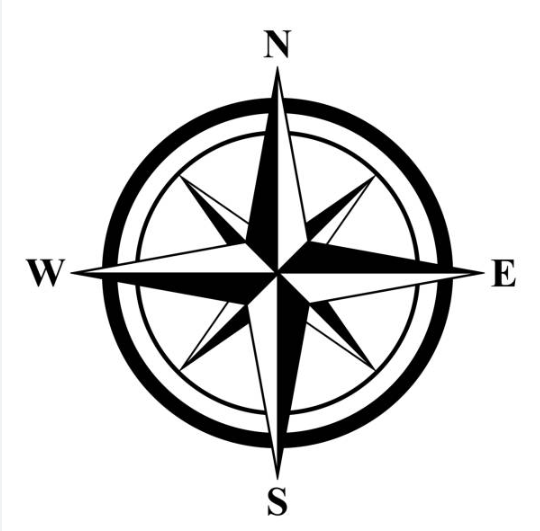
In the traditional compass rose, North is always marked with a fleur-de-lis. 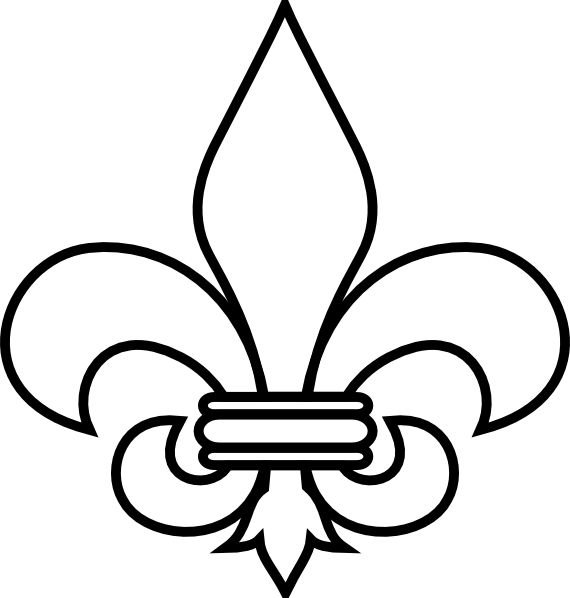
This practice originates from the nautical compass, where the flower symbolizes constancy and a safe direction toward the North Pole. Today, this symbol is used on almost all maps and compasses worldwide.
Although technological advances have taken navigation to another level, with GPS systems and digital charts, the compass rose remains a key element in sailors’ training. Learning to orient oneself without the aid of technology is an essential part of becoming a good sailor.
This nautical legacy, which unites tradition and science, symbolizes humanity’s ability to confront the unknown, to find its way in the vast and sometimes unforgiving waters of the ocean. At Marmitako, we have always been fascinated by how these ancient tools still retain their value and beauty, representing the art of navigation in its purest form. 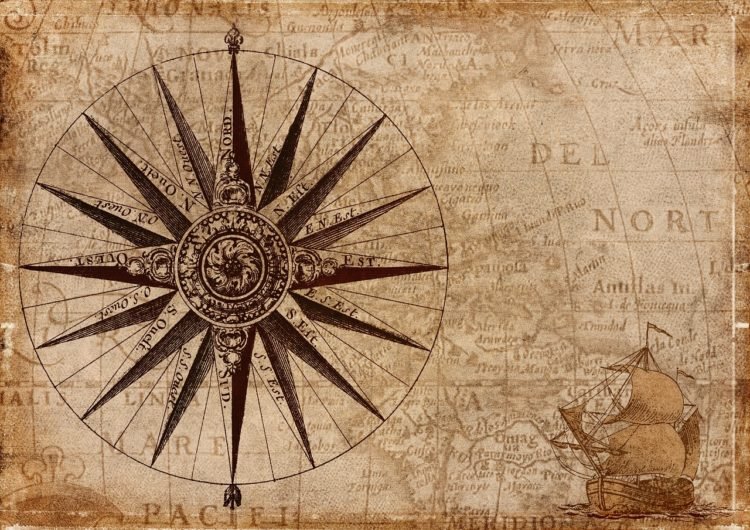


 12°C